Latina teens would benefit from expanded sexual education programs in schools and increased flexibility in education beyond high school to prevent unplanned pregnancies, according to a report by social scientists at the Population Research Center at The University of Texas at Austin.
The report, funded by the Texas Department of State Health Services, aims to help policymakers better understand why Latina teenagers are more likely to become pregnant compared with other groups.
The Texas Teen Opportunity Project Report [PDF] finds teens from all racial and ethnic groups prefer to wait to become parents until they have completed their education (including additional training beyond high school) and are in stable relationships. Nonetheless, Texas has one of the highest teen birth rates in the country, especially among Latinas.
After conducting 49 focus groups made up of young men and women and parents of teens, the researchers found that young Latinos more often report obstacles to completing their education. In addition, young Latinas are more likely to face attitudes — such as the belief that because pregnancy has more implications for women that they should be more responsible for using contraception — that place them in positions of greater responsibility for preventing pregnancy.
To combat these obstacles, the researchers recommend:
- providing alternatives to college such as vocational training and increasing opportunities to combine work and education so that teens can more easily complete their education before having children,
- promoting equal responsibility for pregnancy and the use of contraception among males and females,
- expanding sexual health education programs in schools,
- and fostering open communication between parents and teens regarding sex.
The researchers also found that parents and young people of all races and ethnicities value school-based sexual education programs, but believe these programs should begin earlier and be more comprehensive.
Because teens understand the importance of completing their education and achieving stability before starting a family, the report suggests programs designed to prevent teen pregnancy should focus on providing youth with role models and in-depth information about sexual health rather than promoting ideals they already hold.
“Programs designed to encourage youth to delay childbearing until they finish school and obtain employment are unlikely to be helpful since youth already endorse these ideals,” the report states.
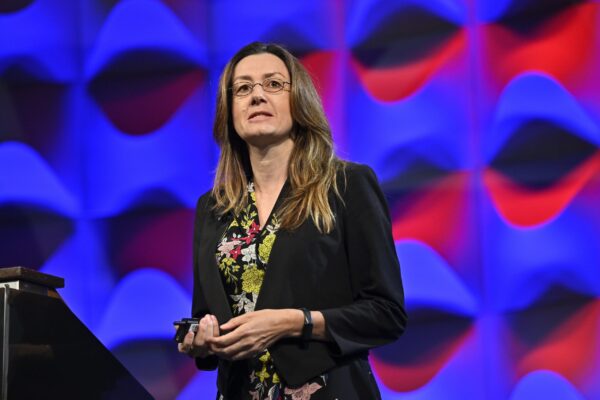
Kristine Hopkins, research assistant professor of sociology and faculty research associate in the Population Research Center, led the research team. Their report can be found on the Department of State Health Services Web site.
The researchers also noted that young African American and Latina women were more likely than white women to mention a lack of trust in their sexual partners regarding contraceptive use.
“While no one difference can explain the higher risk among this group, the findings as a whole suggest that young Latinas face a number of important challenges to preventing a teen pregnancy,” the report says.