Wednesday, March 3, 2010
Cancer researchers get crucial funding

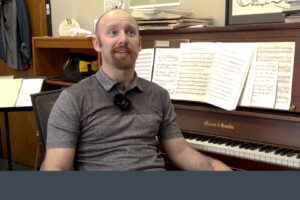
George Georgiou

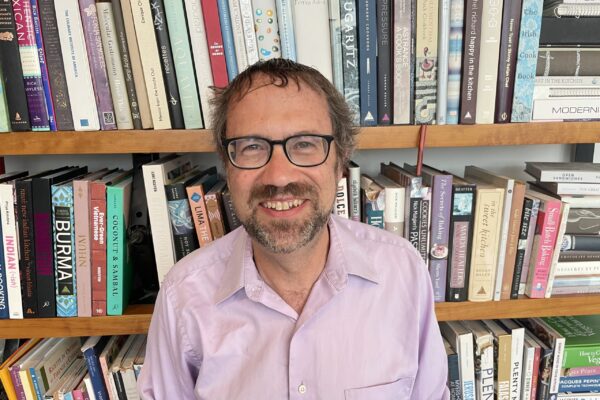
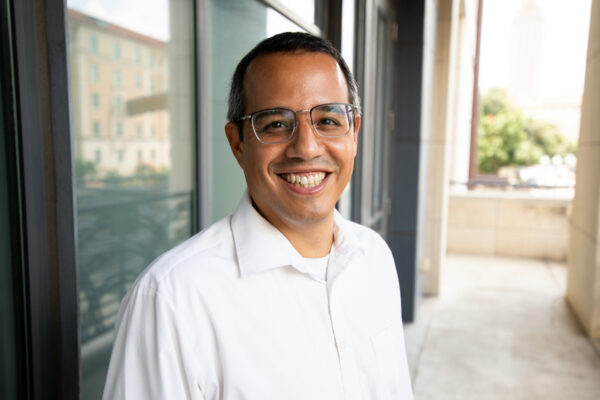
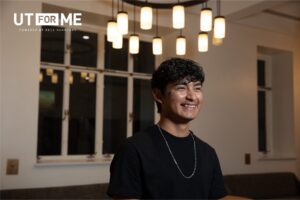
Krishnendu Roy
Georgiou is developing new proteins for treating liver cancer. Roy is engineering systems for delivering vaccines for lymphoma.
And they have received funding from the Cancer Prevention and Research Institute of Texas (CPRIT) that will support critical links in getting their research from their laboratories to patients.
They talked about the crucial nature of the funding last week when CPRIT officials presented a golf tournament-sized check for $3.3 million to the university.
Texas voters created CPRIT when, in 2007, they authorized the state to issue $3 billion in general obligation bonds over 10 years to fund cancer research and prevention grants.
The institute made its first grants in January and Georgiou and Roy were among the recipients.
Georgiou received $2 million his cancer therapies, which are based on that proteins have shown promise in early laboratory experiments.
(He also received $200,000 from CPRIT for another project).
The CPRIT money fills a critical hole in the development of Georgiou’s therapies.
Other funding agencies have been slow to recognize the need to pay for the preclinical work that needs to be done to obtain permission from the Food and Drug Administration to take a drug to clinical trials.
“What CPRIT is allowing us to do is partner with Scott & White (a regional health-care provider based in Temple) because they are actually the people doing the hardcore preclinical development,” he said. “The production and the formal toxicology studies that need to be done in order to pursue this drug further.”
Georgiou is optimistic.
“We should be able to go to the clinic with this trial and see how it impacts patients,” he said.
Roy received $1.1 million to further his research in engineering systems for delivering drugs.
“We work on materials and engineering techniques to take certain drugs and deliver them efficiently and effectively to the immune cells of the body,” he said, “Our particular work has been to develop cancer vaccines.”
The CPRIT money will help Roy test his drug delivery technologies in a pre-clinical setting.
“We have been very successful in preclinical studies here,” he said. “What the CPRIT money is going to allow us is much larger scale definitive preclinical studies so at the end of it we hope to bring this to clinical trials.”
Roy is working with Professor Larry Kwak at The University of Texas MD Anderson Cancer Center in Houston.
Although his lab has focused on lymphoma, Roy said the technology could be applicable to other forms of cancer.


1. cancer says